Skull base tumors are complex growths that develop at the base of the skull near critical structures such as the brainstem, pituitary gland, and cranial nerves. At Tulane, our neurosurgeons provide advanced, patient-centered care for these tumors using the latest minimally invasive surgical techniques.
Minimally invasive cranial surgery uses endoscopic and microscopic tools through small incisions—or natural openings such as the nose—to treat brain and skull base tumors, aneurysms, and other complex conditions. Compared to traditional open surgery, these techniques offer less pain, fewer complications, smaller scars, and faster recovery.
Types of Skull Base Tumors We Treat
Anterior Skull Base (near eyes and sinuses):
- Meningioma
- Olfactory Neuroblastoma (Esthesioneuroblastoma)
- Paranasal Sinus Cancer
Middle Skull Base (sellar region/pituitary):
- Pituitary Adenoma
- Craniopharyngioma
- Rathke’s Cleft Cyst
Posterior Skull Base (near brainstem):
- Acoustic Neuroma (Vestibular Schwannoma)
- Chondrosarcoma
- Chordoma
- Epidermoid Tumor
- Meningioma
Other Rare Skull Base Tumors:
- Chondroma
- Encephalocele
- Hemangiopericytoma
- Nasopharyngeal Angiofibroma
- Osteoma
- Petrous Apex Lesions (cholesterol granulomas, cholesteatomas, or metastatic disease)
FAQs
Metairie Physicians
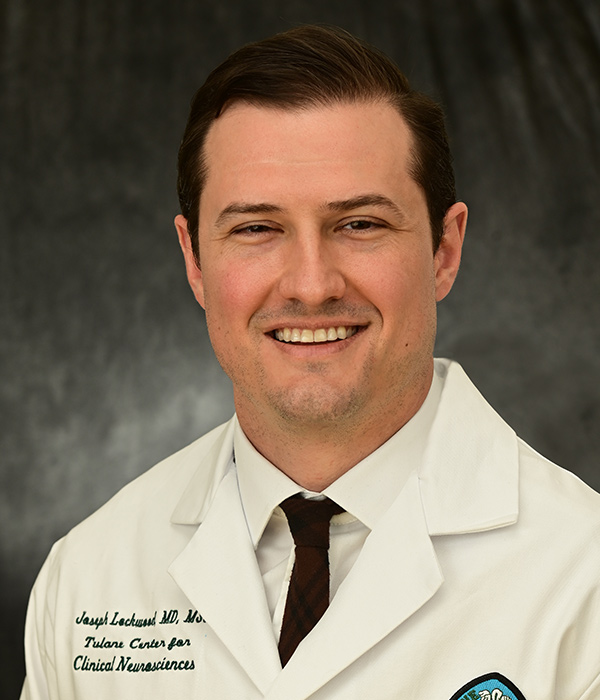
Dr. Jospeh Lockwood

Dr. Aaron Dumont

Dr. Kendrick Johnson

Dr. Pervez Khan